Dog Breeds A-Z: Browse, Compare & Find Your Match
Explore dog breeds by size, energy, grooming needs, shedding, trainability and lifestyle. Search the breed list below, compare basic characteristics, and explore individual breed guides to help you find a dog that fits your home, experience and daily routine.
Browse All Dog Breeds
Use the search and filters to explore the PetCalvia dog breed collection. Each breed card includes basic information to help you compare size, lifespan and energy level before opening the full breed guide.

Golden Retriever
Friendly, intelligent and energetic, with a reputation for being a devoted family companion.

Labrador Retriever
Outgoing, trainable and playful, making the Labrador a popular choice for active families and companion homes.
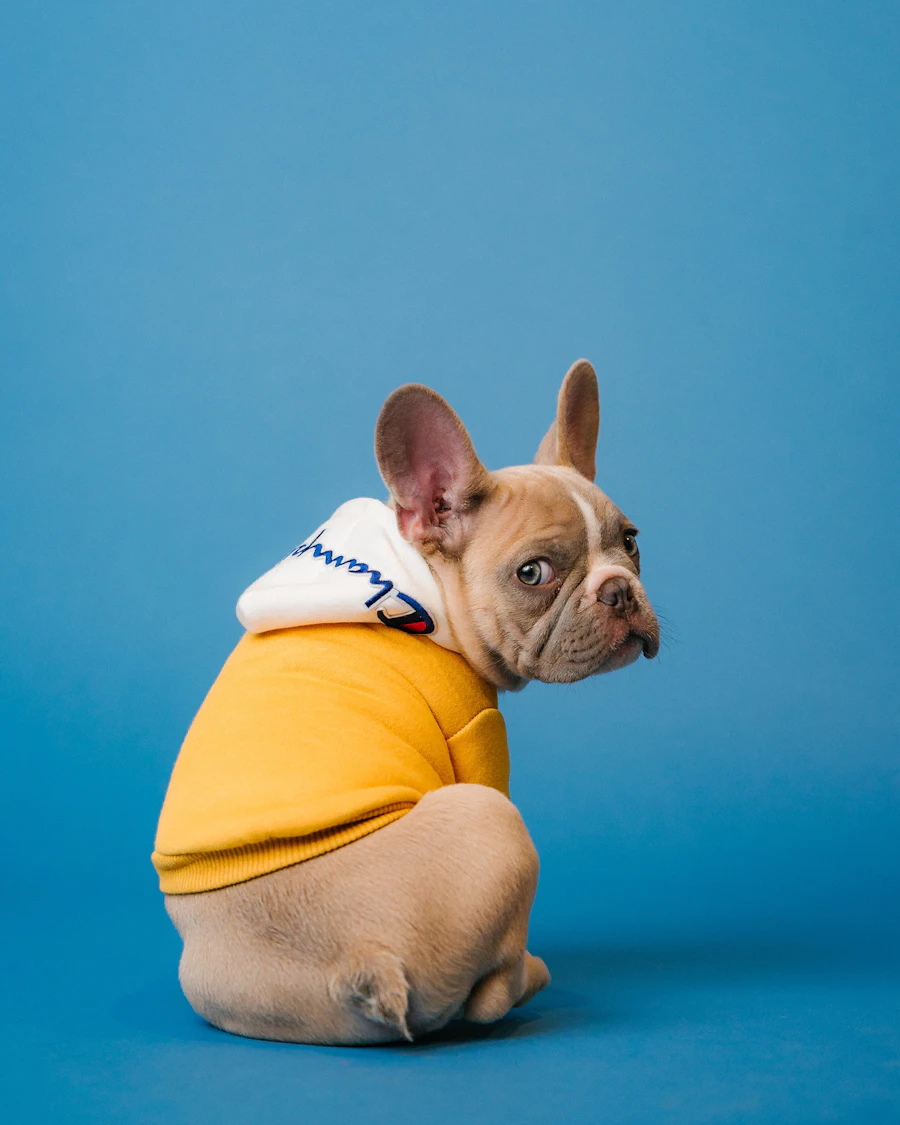
French Bulldog
Compact, affectionate and adaptable, often suited to people looking for a smaller companion dog.

German Shepherd
Intelligent, versatile and highly trainable, with substantial exercise and mental stimulation needs.

Poodle
Highly intelligent and active, with a curly coat that requires regular grooming and maintenance.

Beagle
Curious, social and energetic, with a strong scent-driven nature and a need for regular activity.

Dachshund
Small and distinctive, with an energetic personality and a strong hunting background.
Chihuahua
Tiny, alert and lively, with a big personality packed into a very small companion dog.

Boxer
Playful, athletic and energetic, often happiest with an active household and regular interaction.

Border Collie
Exceptionally intelligent and energetic, requiring substantial mental stimulation, training and exercise.

Shih Tzu
Small, affectionate and companion-oriented, with a long coat that needs consistent grooming.

Rottweiler
Powerful, confident and intelligent, benefiting from responsible training, socialization and structured exercise.

Great Dane
A giant breed known for its impressive size and generally gentle companion temperament.
Cavalier King Charles Spaniel
Gentle and affectionate, with a companion-focused temperament and moderate exercise needs.

Siberian Husky
Athletic, social and energetic, bred for endurance and best suited to active homes.

Yorkshire Terrier
Small, lively and confident, with a fine coat that requires regular grooming.
Australian Shepherd
Energetic, intelligent and work-oriented, with high exercise and mental stimulation needs.

Pembroke Welsh Corgi
Bright, active and affectionate, with a compact build and a strong herding background.

Dalmatian
Athletic and energetic, with a distinctive spotted coat and substantial exercise needs.
Dog Breeds by Size
Dog size can influence exercise requirements, living-space needs, grooming, feeding and other aspects of daily care. Size alone does not determine temperament, so consider the individual breed and dog as a whole.
Dog Breeds by Group
Breed groups can provide useful historical context because many breeds were developed for particular jobs or purposes. Group classifications can vary between kennel organizations.
Best Dog Breeds for Your Lifestyle
The "best" dog breed depends on your home, schedule, activity level, experience and expectations. Instead of choosing a breed only because it is popular, compare its daily needs with your lifestyle.
Best Dog Breeds for Apartments
Consider size, exercise needs, barking tendencies and how much time the dog will spend alone.
Explore apartment-friendly breeds →Best Dog Breeds for Families
Look at temperament, energy, trainability and how the breed typically interacts with people.
Explore family-friendly breeds →Best Dogs for First-Time Owners
New owners may prefer breeds whose exercise, grooming and training needs fit their experience and routine.
Explore beginner-friendly breeds →Low-Shedding Dog Breeds
Some breeds shed less visibly, but no dog should automatically be considered completely allergy-free.
Explore low-shedding breeds →Low-Maintenance Dog Breeds
Consider grooming, exercise, training and companionship requirements rather than looking at coat care alone.
Explore lower-maintenance breeds →Active Dog Breeds
Active households may be better matched with breeds that enjoy regular exercise, training and enrichment.
Explore active breeds →Find Your Perfect Breed
Not sure which breed fits your lifestyle? Use the PetCalvia breed finder to narrow your options by size, energy, grooming and other characteristics.
Find My Dog Breed →Most Popular Dog Breeds
Popular breeds can be a useful starting point, but popularity does not mean a breed is automatically the right match for every household.
Dog Tools for Every Breed
PetCalvia connects breed information with practical tools so you can explore age, nutrition and everyday care for your dog.
Dog Age Calculator
Estimate your dog's age in human years and explore life-stage information.
Calculate Dog Age →Dog Calorie Calculator
Estimate daily calorie needs based on weight, life stage, activity and other inputs.
Calculate Dog Calories →What Is a Dog Breed?
A dog breed is a population of dogs that has been developed and maintained through selective breeding for particular physical characteristics, temperament, working abilities or other traits. Different breeds can have very different body sizes, coat types, energy levels, behavioral tendencies and historical purposes.
Breed information can help prospective owners understand what daily life with a particular type of dog may involve. However, breed descriptions are not guarantees about an individual dog's personality. Genetics, early socialization, training, environment and the dog's own experiences can all influence behavior and development.
When comparing dog breeds, it is useful to look beyond appearance. Consider exercise requirements, grooming, training needs, size, expected lifespan, living environment and the amount of time you can realistically dedicate to a dog.
How to Choose the Right Dog Breed
The right breed is one whose typical needs fit your household and whose care requirements you can realistically provide. Before choosing, consider:
- Living space: How much indoor and outdoor space is available?
- Time: How many hours can you spend with your dog each day?
- Activity: Can you provide the exercise and enrichment the breed typically needs?
- Grooming: Are you prepared for brushing, bathing, coat maintenance or professional grooming?
- Allergies: Does anyone in the household have allergies or sensitivities?
- Budget: Can you comfortably cover food, grooming, routine care and unexpected veterinary expenses?
- Experience: Does the breed's training and behavior profile match your experience level?
- Long-term commitment: Are you prepared to care for the dog through adulthood and senior years?
Frequently Asked Questions About Dog Breeds
There is no single universal number because kennel organizations and breed registries recognize different breeds and classifications. Instead of relying on one changing number, it is more useful to explore recognized breeds through breed registries and individual breed guides.
There is no single best family breed. Families should consider temperament, energy, size, training needs, grooming and the ages and activity levels of people in the household. Individual dogs also vary.
Apartment suitability depends on more than size. Exercise needs, barking, activity level, adaptability and how much time the dog spends alone can all matter.
No dog breed is completely allergen-free. Some breeds may shed less or produce different amounts of allergens, but people with allergies can still react to individual dogs.
Trainability varies between breeds and individual dogs. Intelligence, motivation, temperament, consistency and the training environment can all affect how easily a dog learns.
Compare your lifestyle, living space, activity level, available time, grooming expectations, experience and budget with the typical needs of the breed. A breed finder can help narrow the choices.
Lifespan varies by breed and individual dog. Smaller breeds often have longer typical lifespans than giant breeds, but genetics, health, nutrition and overall care also influence longevity.